
The Power of Collaborative AI
Researching complex topics takes massive amounts of valuable time. Specifically, humans struggle to read and analyze thousands of documents quickly. Consequently, researchers often miss crucial data points. However, a brilliant solution exists today. You can build a multi-agent system for research effortlessly. Ultimately, this system acts as your personal team of super-smart digital analysts.
How to Build a Multi-Agent System for Deep Research: First, let us define a multi-agent system clearly. Essentially, it features multiple AI agents working together simultaneously. Each agent handles a specific, specialized task. For example, one agent searches the internet for raw data. Meanwhile, another agent summarizes those exact findings. As a result, they complete complex projects faster than a single AI model.
Naturally, building this system sounds highly technical and intimidating. Fortunately, modern frameworks make the process incredibly simple. Currently, anyone with basic coding knowledge can create powerful agent teams. Next, we will explain exactly how to build a multi-agent system from scratch. Ultimately, you will automate your deep research workflows entirely.
Why Use a Multi-Agent System?
How to Build a Multi-Agent System for Deep Research: Using a single AI model limits your overall output drastically. Specifically, single models get confused by massive, multi-step prompts easily. Therefore, they hallucinate facts or forget previous instructions entirely. Conversely, multi-agent systems solve this problem perfectly. First, they break massive projects into tiny, manageable tasks. Next, they assign these tasks to specialized expert agents.
Additionally, multi-agent systems check their own work autonomously. For instance, a “researcher” agent gathers data from various websites. Then, a “reviewer” agent verifies that exact data for accuracy. Consequently, the final output remains highly reliable and factual. Most importantly, this collaborative process mirrors real human teams.
- Speed: Multiple agents process diverse data streams simultaneously.
- Accuracy: Dedicated reviewer agents catch embarrassing factual errors instantly.
- Scalability: You add new specialist agents whenever your project grows.
Clearly, the benefits outweigh the initial setup effort massively. Therefore, professionals in finance, academia, and marketing use these systems daily. As a result, they gain a massive competitive advantage over their peers.
Step 1: Choose Your Core Framework
You need a solid foundation to build your multi-agent system securely. Fortunately, several incredible frameworks exist right now. First, AutoGen stands out as a highly popular choice globally. Specifically, Microsoft created AutoGen to simplify multi-agent conversations. Therefore, it handles agent communication natively and reliably.
How to Build a Multi-Agent System for Deep Research: Next, CrewAI offers an extremely user-friendly alternative. Interestingly, CrewAI uses a “role-playing” setup for its agents. For example, you define agents as “Senior Data Analyst” or “Expert Writer.” Consequently, the AI adopts these specific personas perfectly. Additionally, LangGraph provides ultimate control over agent workflows completely.
Ultimately, your choice depends on your specific technical skill level. Currently, beginners prefer CrewAI for its simplicity. Conversely, advanced developers choose LangGraph for complex routing. Regardless, select one framework and install it locally. Then, prepare your programming environment carefully.
Step 2: Define Your Agent Roles
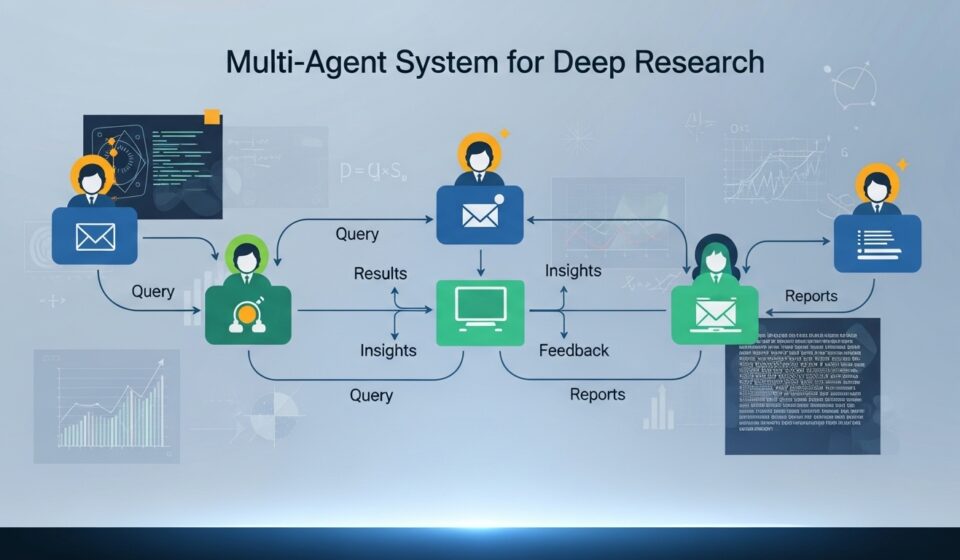
A multi-agent system requires clear, distinct roles to function properly. Therefore, you must define the exact job of every single agent. First, map out your entire research process on a whiteboard. Typically, a basic research team needs three specific agents. Specifically, you need a Searcher, an Analyst, and a Writer.
First, the Searcher finds relevant information online rapidly. Naturally, you give this agent access to search engine tools natively. Next, the Analyst reads the raw data carefully. Consequently, it extracts the most important statistics and facts. Finally, the Writer formats these facts into a readable report elegantly.
- Searcher Agent: Scrapes the web and gathers raw PDF documents continuously.
- Analyst Agent: Filters out useless noise and highlights crucial data points.
- Writer Agent: Drafts the final comprehensive document beautifully.
- Manager Agent: Oversees the entire team and enforces strict deadlines.
Clearly defining these roles prevents agents from overlapping their work. As a result, the system runs smoothly without wasting expensive compute tokens. Ultimately, clear instructions guarantee spectacular final results.
Step 3: Equip Your Agents with Tools
Agents cannot research effectively without the proper digital tools. First, they need active access to the live internet safely. Therefore, you must connect them to a web search API directly. For instance, the Tavily API works perfectly for AI agents. Specifically, it returns clean, parsed text from websites instantly.
Next, provide your agents with document reading capabilities organically. Often, crucial research hides inside massive PDF files. Consequently, your agents need a tool like PyPDF to extract text accurately. Additionally, you might add a web scraper like BeautifulSoup. Thus, they can read specific articles directly.
Most importantly, give your agents a dedicated memory system completely. First, connect them to a robust vector database. For example, Pinecone stores past research securely. As a result, agents recall previous findings quickly during new tasks. Ultimately, tools transform basic chat bots into powerful, autonomous researchers.
Step 4: Build the Communication Layer
Agents must talk to each other to solve problems efficiently. Therefore, you must build a robust communication layer meticulously. First, decide how the agents will pass messages back and forth. Currently, sequential workflows represent the easiest method natively. In this setup, Agent A finishes its job completely. Then, it hands the data directly to Agent B.
However, complex research requires dynamic, unscripted conversations frequently. Fortunately, frameworks like AutoGen handle this beautifully. Specifically, you create a shared “group chat” for your AI agents. Next, the Manager agent decides who speaks next based on the current task.
For instance, the Writer might ask the Searcher for more specific sources. Consequently, the Searcher finds new links and replies instantly. As a result, the team collaborates dynamically without human intervention. Ultimately, this chaotic but productive interaction generates brilliant insights naturally.
Step 5: Test and Refine the System
Building the system represents only the first major step. Next, you must test the entire setup rigorously. First, give the multi-agent system a highly specific, simple prompt. For example, ask it to research the latest battery technology trends. Then, watch the agents interact closely in your terminal console.
Usually, you will spot immediate bottlenecks or obvious errors quickly. For instance, the Searcher might pull outdated information accidentally. Consequently, you must adjust its underlying prompt instructions clearly. Specifically, tell the Searcher to only find articles published this current year.
Additionally, monitor your overall API costs carefully. Multi-agent systems consume massive amounts of tokens rapidly. Therefore, use cheaper models for simple tasks like data formatting. Conversely, reserve powerful, expensive models for complex analytical tasks exclusively. Ultimately, optimization saves you significant money over time.
Frequently Asked Questions
Do I need to know how to code?
Yes, you need basic Python knowledge generally. However, low-code platforms emerge rapidly today. Specifically, tools like Flowise allow you to drag and drop agents visually. Therefore, non-technical users can participate too.
Which LLM works best for multi-agent systems?
Currently, OpenAI’s latest models dominate the field entirely. First, they follow complex system instructions flawlessly. Second, they utilize external tools highly reliably. Consequently, they remain the industry standard.
Can I run these systems locally?
Absolutely. You can use open-source models like Llama seamlessly. First, install Ollama on your machine locally. Next, connect your multi-agent framework directly to Ollama. As a result, you process sensitive research completely privately.
Final Thoughts on Autonomous Research
Multi-agent systems change the research landscape permanently. First, they remove the tedious friction from data gathering. Second, they synthesize complex topics rapidly and accurately. Consequently, you focus your energy on acting on the data, not merely finding it.
Clearly, setting up this system requires patience initially. However, the exact steps remain perfectly straightforward today. First, pick a framework. Second, define your agent roles carefully. Finally, equip them with the right digital tools natively.
Ultimately, your new AI team will uncover insights you never imagined. Therefore, start building your first agent system today. As a result, you will conquer massive research projects effortlessly moving forward.